 By K Raveendran
The sharp criticism mounted by Opposition leaders against the Supreme Court’s refusal to grant bail to Umar Khalid and Sharjeel Imam in the 2020 Delhi riots conspiracy case has been foregrounded as a defence of constitutional liberty. Yet, when examined closely, the argument appears driven more by political optics than by a sound understanding of judicial process and constitutional law. The critique rests on two pillars: a perceived inconsistency in bail decisions among co-accused, and a comparison with the repeated paroles granted to convicted Dera Sacha Sauda chief Gurmeet Ram Rahim Singh. Both pillars, however, are conceptually weak and legally unsustainable.
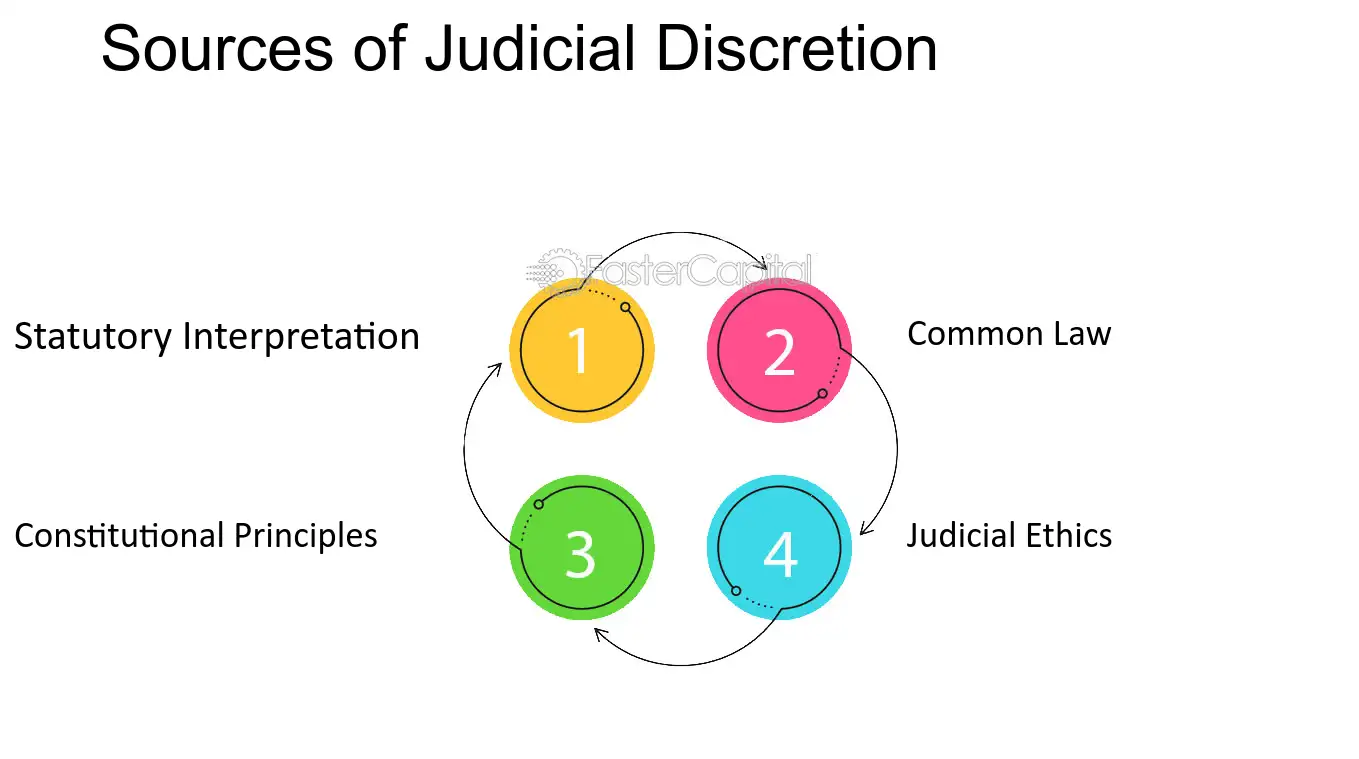
Khalid and Imam were denied bail, even as it was granted to other accused in the same conspiracy case. Opposition leaders have projected this as selective denial of liberty, implying ideological or political bias. Such a reading overlooks a foundational principle of criminal jurisprudence: bail decisions are inherently individualised. Courts do not grant bail by association or parity alone; they assess the specific role attributed to each accused, the nature of allegations, the evidence on record, and the potential impact on trial and public order. The Bench of Justices Aravind Kumar and N.V. Anjaria explicitly noted that the allegations against Khalid and Imam placed them on a “qualitatively different footing” from the other accused. This phrase is not rhetorical flourish but judicial shorthand for a differentiated assessment of culpability, influence, and alleged role in the conspiracy.
The Opposition’s comparison with the paroles granted to Gurmeet Ram Rahim Singh illustrates a deeper misunderstanding of the separation of powers embedded in the constitutional framework. Bail and parole are often conflated in public discourse, but they are legally distinct concepts. Bail is a judicial act exercised by courts under criminal procedure, typically before conviction, to balance personal liberty against the interests of justice. Parole, by contrast, is an executive decision granted to a convicted prisoner as a temporary release under specific conditions, usually governed by prison rules and state policies. Courts may review parole decisions if challenged, but they do not initiate or routinely supervise them. To juxtapose a judicial refusal of bail with an executive grant of parole is to compare two decisions that arise from different authorities, serve different purposes, and are guided by different considerations.
This distinction matters because the Opposition’s argument implies judicial complicity or inconsistency. If there is a concern about the frequency or propriety of paroles granted to Ram Rahim Singh, the accountability lies squarely with the executive branch that authorised them. Dragging the judiciary into that debate conflates institutional responsibilities and risks eroding public understanding of how constitutional checks and balances operate. It also diverts attention from the substantive legal reasoning underpinning the bail denial in the case.
Equally problematic is the invocation of the oft-quoted maxim “bail is the rule, jail the exception” as if it were an absolute command. This phrase, drawn from judicial precedent, is not a blanket guarantee of bail in all circumstances. Its very wording underscores conditionality. Bail is the rule in ordinary situations where the accused poses no serious flight risk, threat to witnesses, or danger to public order, and where the alleged offence does not involve grave societal harm. The exception arises precisely when these conditions are not met. To argue that bail must be granted merely because others have received it, or because detention has been prolonged, is to strip the maxim of its qualifying context.
In cases involving allegations of organised violence, conspiracy, or threats to communal harmony, courts have historically exercised greater caution. The judiciary is tasked not only with safeguarding individual liberty but also with ensuring the integrity of the trial and the broader interests of society. The Supreme Court’s observation that Khalid and Imam occupied a different qualitative position reflects this balancing exercise. It signals that the Court found the allegations against them—whether in terms of planning, instigation, or influence—to be of a higher order than those against others who were granted bail. Agreeing or disagreeing with that assessment is a legitimate subject of legal debate, but dismissing it as political bias ignores the articulated judicial reasoning.
The political critique also glosses over the standard of review applicable at the bail stage. Bail hearings are not mini-trials. Courts do not pronounce on guilt or innocence; they assess whether, prima facie, the allegations and evidence justify continued custody. This threshold assessment can yield different outcomes for different accused within the same case without violating principles of equality before the law. Equality, in constitutional terms, does not mandate identical treatment of unequals; it mandates proportionate treatment based on relevant distinctions.
There is, moreover, a broader institutional risk in framing judicial decisions through a purely political lens. Persistent claims of selective justice, when untethered from legal nuance, can undermine confidence in the judiciary as an independent arbiter. Democratic opposition has a legitimate role in questioning state power and highlighting potential abuses. That role, however, carries a parallel responsibility to engage accurately with legal principles. When political rhetoric blurs the lines between judicial discretion and executive action, it weakens the credibility of the critique and dilutes genuine concerns about civil liberties.
None of this is to deny that prolonged incarceration without trial raises serious constitutional questions. Delays in the criminal justice system, especially in complex cases, impose heavy costs on accused persons and on public faith in due process. These concerns warrant sustained scrutiny and institutional reform. Yet, addressing them requires engagement with procedural law, investigative timelines, and prosecutorial accountability—not reductive comparisons between bail and parole or insinuations of ideological motivation.
The Supreme Court’s refusal to grant bail to Khalid and Imam thus sits within a legally recognisable framework, even if it remains contentious in the public sphere. The Bench did not reject the principle of personal liberty; it applied it within what it considered exceptional circumstances. By contrast, the repeated paroles granted to Ram Rahim Singh raise a separate set of questions about executive discretion, penal policy, and political influence—questions that deserve independent examination rather than instrumental use in a bail debate.
In a democracy governed by the rule of law, disagreement with judicial outcomes is inevitable and often healthy. The quality of that disagreement, however, depends on fidelity to legal distinctions and institutional boundaries. Without that fidelity, critique slides into caricature, and the space for meaningful reform narrows rather than expands. (IPA Service)
The article Judicial Discretion, Political Optics And The Limits Of Comparison appeared first on Latest India news, analysis and reports on Newspack by India Press Agency).